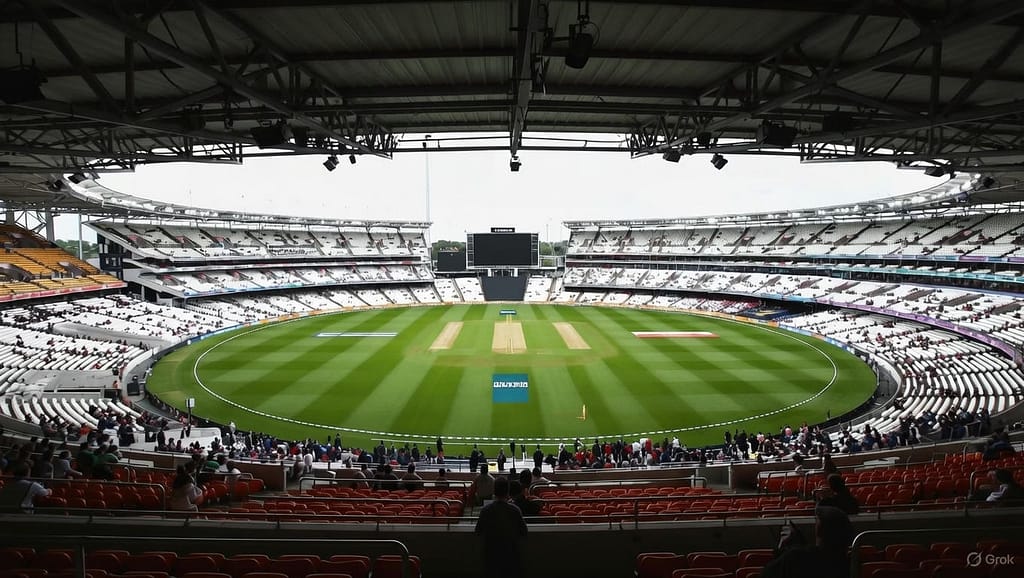

2025 should have been a year of unbridled celebration for Indian cricket. The men retained the Asia Cup and lifted the Champions Trophy, while the women finally claimed their first ODI World Cup. Yet, for most fans, the joy felt hollow. Successive home Test whitewashes—first by New Zealand in 2024 and then by South Africa—along with rows of empty seats during the West Indies series in massive venues like Ahmedabad and Delhi, overshadowed the silverware and signalled a growing disconnect.
The Cost of Unchecked Experimentation
At the root of this unease sits a series of decisions that many believe have done lasting damage: Gautam Gambhir’s uncompromising coaching style and Ajit Agarkar’s often baffling selections. The unceremonious removal of Rohit Sharma as ODI captain in October 2025—replaced by Shubman Gill—felt like a slap in the face to a leader who had just delivered results.
The relentless “perform or perish” drumbeat directed at Rohit and Virat Kohli hastened their Test retirements, leaving a gaping hole in experience. Promising limited-overs partnerships, like the electric Sanju Samson–Abhishek Sharma opening combo, were broken up almost on a whim. Shubman Gill was repeatedly pushed up the order, sometimes ahead of a red-hot Yashasvi Jaiswal, while the Test middle order—especially the pivotal No. 3 slot—became a revolving door.
A “Lab” Without Results
India has tried close to 30 different players in Test cricket over the last couple of years, many of them discarded after just a handful of innings. The crucial No. 3 position, the engine room of any batting line-up, has been treated like an experimental lab. Specialists have often been overlooked in favour of all-rounders who offer a bit of everything but master nothing. The result? A batting line-up that looks fragile the moment the ball swings or spins, and a bowling attack stretched thin.
The Myth of the “Star Culture” Problem
Perhaps the most puzzling part of this phase has been the loud rhetoric around “ending star culture.” Stars like Rohit and Kohli didn’t just win matches; they filled stadiums, sold jerseys, and brought in the revenue that funds domestic cricket.
Virat Kohli’s global appeal—with over 270 million followers—was a major reason cricket returned to the Olympics in 2028; LA organizers openly cited his massive following as a deciding factor. Fans create stars through their passion and loyalty. On whose authority was this bond dismantled without a clear, proven succession plan?
The evidence is already visible: Test matches without these icons have seen rows of empty seats that were unthinkable just a year ago. Ahmedabad’s Motera, which sold out in hours for Kohli’s milestones in the past, saw vast sections unoccupied during the 2025 West Indies series despite India’s dominance and cheaper tickets.
The Case for Independent Sunlight
The BCCI is too powerful and too wealthy to be forced into change by courts or government. What it needs is independent, credible scrutiny that doesn’t threaten its autonomy but shines a light on processes that aren’t working.
That’s where independent sports journalism comes in. Indian sports journalism has a proud history of asking tough questions. A small, rotating panel of five to seven veteran journalists—selected by a neutral body like the Sports Journalists’ Federation of India (SJFI), free from broadcast or board contracts, and including voices from different regions, languages, and cricketing eras to ensure balance—could conduct periodic audits of key decisions.
They wouldn’t have veto power. Instead, they would:
- Examine selection minutes to ensure logic is consistent.
- Assess whether policies like “ending star culture” serve the team’s commercial and competitive interests.
- Review patterns like the No. 3 merry-go-round.
- Gather anonymous player feedback on the dressing room atmosphere.
Precedent for Progress
This model relies on moral pressure and the “power of sunlight.” Other boards have already proven this works. Australia’s cultural report after the 2018 “Sandpapergate” scandal led to reforms that helped them reclaim dominance, while the England & Wales Cricket Board’s (ECB) High-Performance Review birthed the ‘Bazball’ revolution and revitalised their Test side.
There will be pushback. The BCCI might call it interference, and some journalists might be accused of bias. These concerns are manageable through clear eligibility criteria and a rigorous right of reply for the board.
Conclusion: Act Before the Stands Empty
The greater risk is doing nothing. Continuing with unchecked experimentation and ideological crusades against the very stars who built the game’s popularity will only deepen the disconnect with supporters.
It’s time for the BCCI to show confidence in its own processes by inviting scrutiny. A pilot audit covering the 2025–26 season would be a low-risk way to start. Indian cricket belongs to its fans as much as its administrators. Journalist-led audits offer a practical, home-grown way to restore trust and ensure decisions are taken for the right reasons.
Let’s not wait for the next whitewash or the next half-empty stadium to act.
Author’s Note: This article emerged from an intensive debate with Grok AI. While the factual foundation—from India’s 2025 Champions Trophy victory to declining attendance at Ahmedabad and the No. 3 position instability—reflects my research and analysis, the journalist-led audit framework was refined through hours of stress-testing arguments against Grok’s counterpoints. I’ve credited this collaboration explicitly because intellectual honesty demands it, and because AI-assisted policy development, when transparent, represents a legitimate evolution in how we solve complex problems in sports governance