We’ve all been to that kind of party — a little too loud, string lights swaying above mismatched chairs, conversations drifting between deeply philosophical and barely coherent. Someone is passionately explaining why mushrooms might cure depression. Someone else is talking about money like it’s a personality trait.
And then there’s that person.
Not performing. Not posturing. Just listening, asking one sharp question, offering one unexpected thought — and suddenly people lean in.
This list isn’t about showing off or winning arguments. It’s about filling your mind with ideas that quietly change how you see the world, so when the night inevitably turns toward something real — grief, love, power, climate change, meaning — you don’t flinch. You have language. You have perspective. You have something to offer that doesn’t sound rehearsed.
These are books for the kind of intelligence that makes people lean closer, not step back.
Why These Books?
These aren’t trend-driven reads or productivity hacks.
They’re durable books — the kind that stay with you long after you’ve finished the last page.
Each one does at least one of three things:
- Changes how you see people
- Changes how you see systems
- Changes how you see yourself
Read even a few of them, and conversations stop feeling random. They start feeling alive.
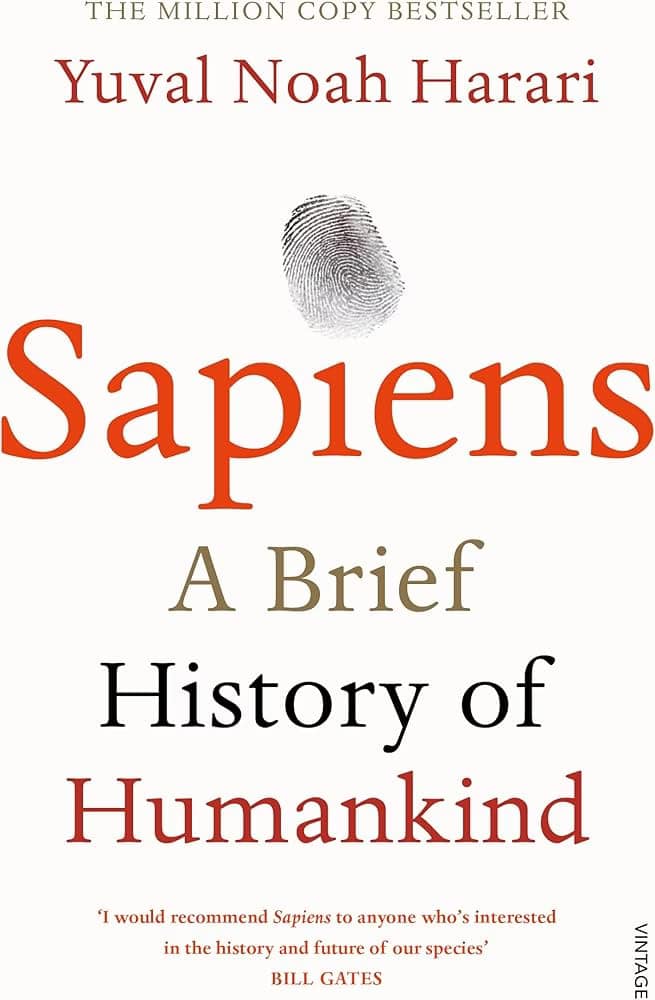
1. Sapiens — Yuval Noah Harari
What it gives you: the ability to see society as a shared story.
Reading Sapiens feels like stepping outside time. Harari walks you through the invention of myths, money, marriage, religion, and empires like he’s pointing at a mural we’ve all been staring at but never quite understood.
This isn’t history for trivia night. It’s history for people who want to understand why we still believe in nations, brands, and borders long after we stopped believing in magic.
Once you read this book, society starts to look like a collective agreement — a shared fiction we all participate in because it works. And once you see that, you can’t unsee it.
You’ll notice it mid-conversation, when someone talks about “the system” as if it’s natural law. You’ll realize it isn’t.
👉 Buy on Amazon: https://amzn.to/3Njj1yC
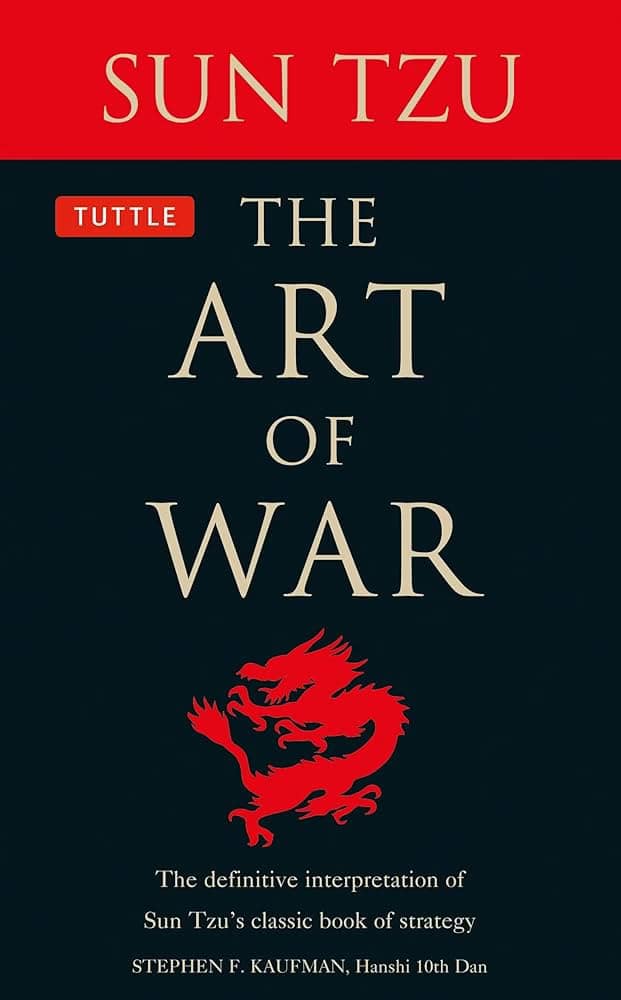
2. The Art of War — Sun Tzu
What it gives you: calm leverage instead of loud confidence.
This book isn’t really about war. It’s about presence. Timing. Restraint. And the power of not reacting.
Read it slowly. Read it like poetry. Sun Tzu understands something modern culture forgets — that winning often comes from stillness, not aggression.
You’ll feel it the next time a conversation gets tense. While others rush to fill silence, you’ll pause. Say less. Choose your moment.
And oddly enough, that’s usually when the room shifts.
👉 Buy on Amazon: https://amzn.to/4qnTFho
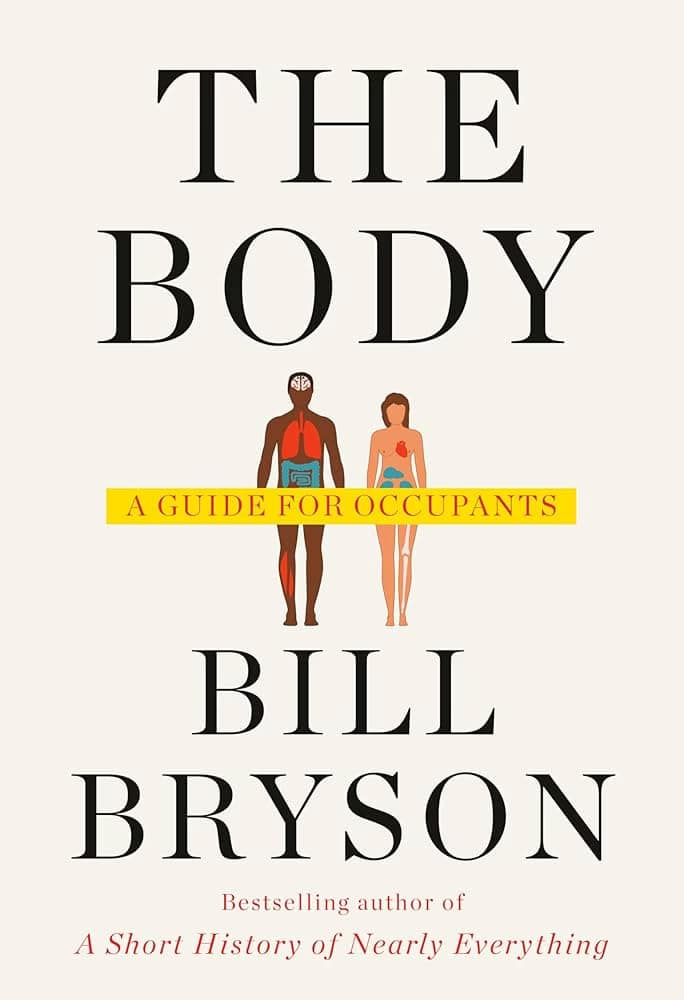
3. The Body — Bill Bryson
What it gives you: awe for the ordinary miracle you live inside.
Reading Bill Bryson feels like being told a bedtime story by the world’s kindest, smartest uncle. In The Body, he takes you on a tour of yourself — the invisible clockwork behind your eyes, under your skin, inside every breath.
You’ll learn astonishing facts. You’ll laugh more than you expect. And you’ll probably pause the next time you feel your heartbeat, realizing how improbable it all is.
This is the kind of book that makes you treat your own body — and other people’s — with more gentleness.
👉 Buy on Amazon: https://amzn.to/4q1itfx
4. The Second Sex — Simone de Beauvoir
What it gives you: intellectual honesty about gender and power.
This is not a light read. And it’s not supposed to be.
De Beauvoir doesn’t ask for sympathy — she demands thought. She dismantles assumptions about gender, culture, and identity that many of us carry without ever examining.
You don’t read this book to sound clever. You read it to see clearly.
Bring even one honest insight from The Second Sex into a conversation, and you won’t dominate it. You’ll deepen it.

👉 Buy on Amazon: https://amzn.to/3MXl5wb
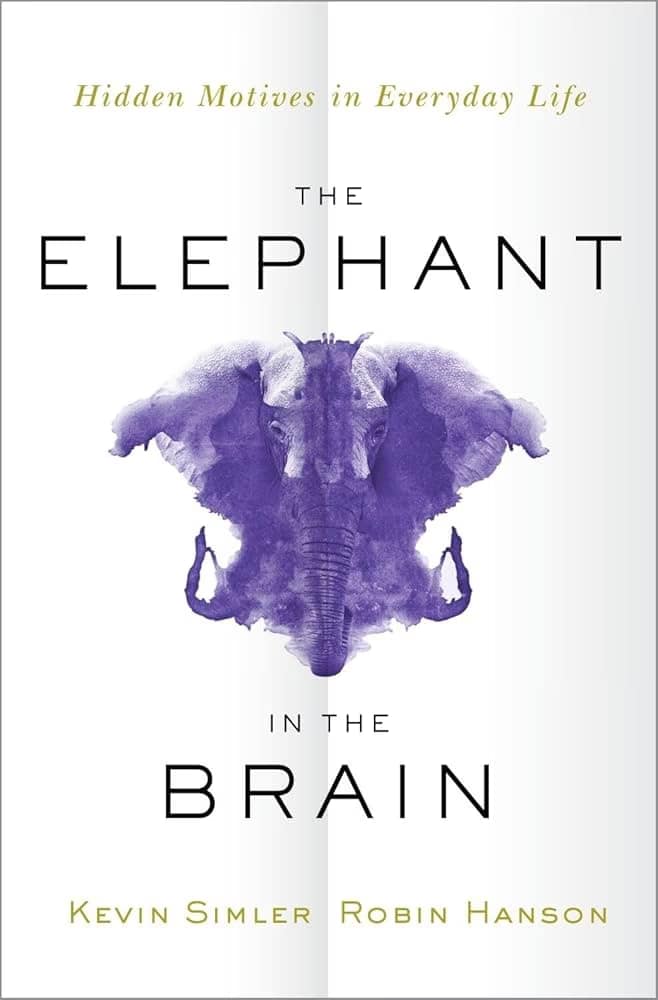
5. The Elephant in the Brain — Kevin Simler & Robin Hanson
What it gives you: x-ray vision for human motives.
This book is deliciously uncomfortable.
It argues that most of our behavior — even our most “noble” actions — is driven by hidden self-interest. We help, donate, argue, and signal not just to be good, but to look good.
You’ll wince. You’ll laugh. And then you’ll start seeing conversations differently — especially ones about dating, politics, morality, or virtue.
Once you read this, social dynamics become visible. And it’s very hard to go back to pretending otherwise.
👉 Buy on Amazon: https://amzn.to/49cxd3X
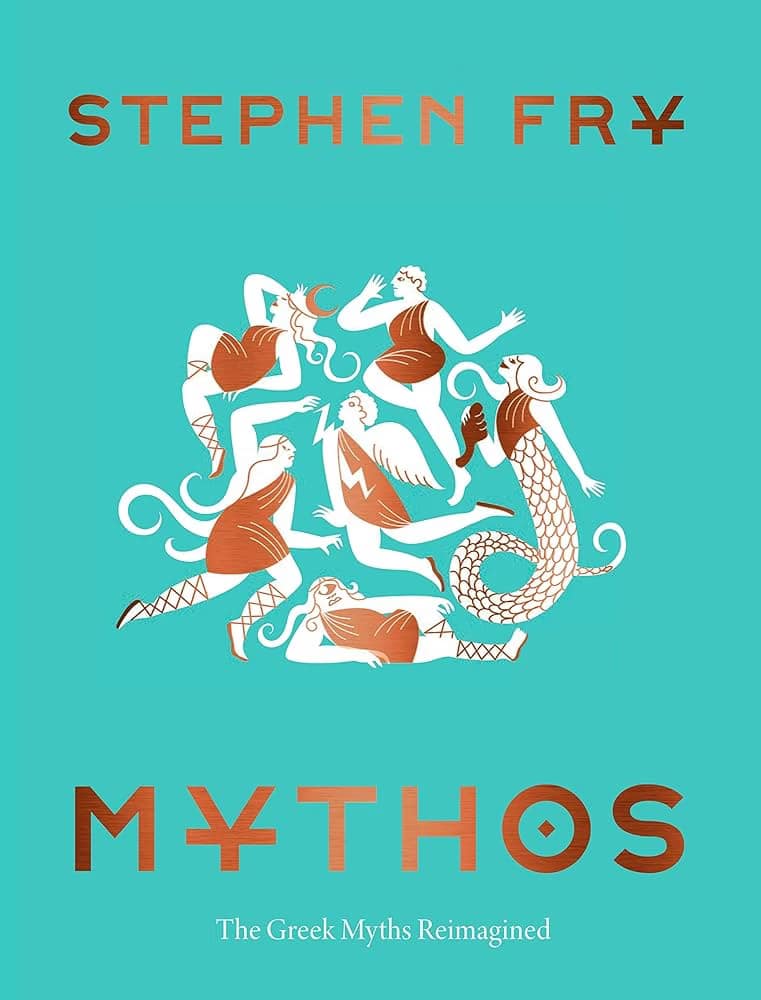
6. Mythos — Stephen Fry
What it gives you: timeless stories that still explain modern behavior.
If Greek gods were modern celebrities with impulse-control issues, Mythos would be their group chat.
Stephen Fry retells ancient myths with humor, warmth, and just enough irreverence to make them addictive. The drama, the jealousy, the ego — it all feels painfully familiar.
Apollo stops being a statue. Narcissus stops being a metaphor. These stories suddenly feel like exaggerated versions of people you know.
Myth doesn’t feel ancient after this. It feels embarrassingly current.
👉 Buy on Amazon: https://amzn.to/4paZlKD
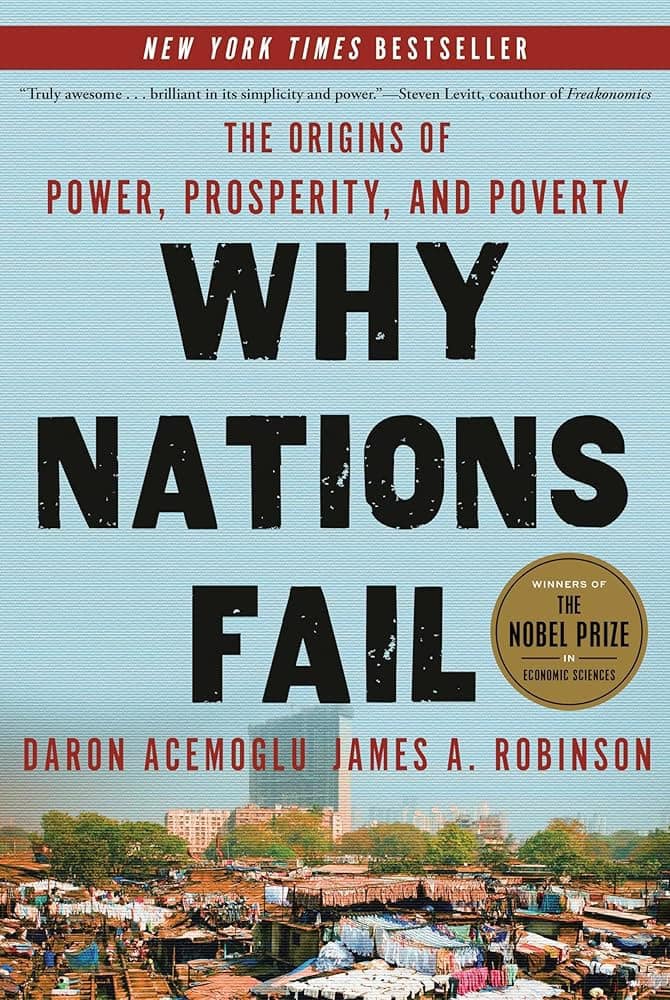
7. Why Nations Fail — Daron Acemoglu & James Robinson
What it gives you: structural thinking instead of political noise.
This book explains why some countries thrive while others stagnate — and it does so without slogans or ideology.
The argument is simple but unsettling: institutions matter more than individuals. Systems outlast leaders. Incentives shape behavior.
It’s not flashy reading, but it gives your thinking a backbone.
When someone shrugs and says, “That’s just how things are,” you’ll quietly know better.
👉 Buy on Amazon: https://amzn.to/3YM1nWL
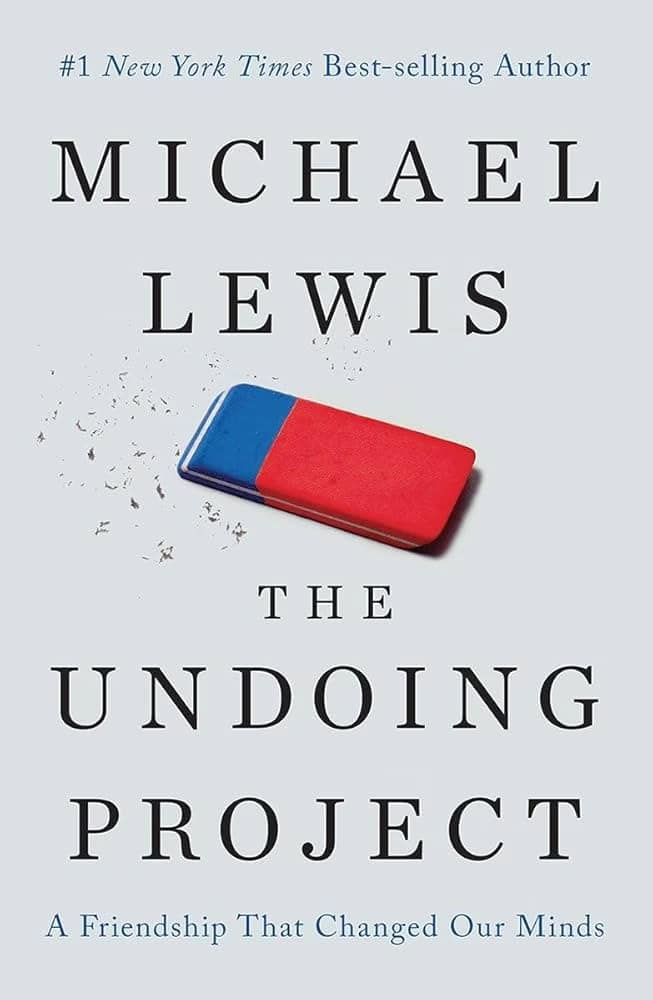
8. The Undoing Project — Michael Lewis
What it gives you: compassion for flawed human judgment.
This is the story of two quiet revolutionaries — Daniel Kahneman and Amos Tversky — who dismantled our assumptions about rational decision-making.
Michael Lewis tells it with warmth, humor, and narrative muscle. You’ll understand why we make bad choices, misjudge risk, and fool ourselves so consistently.
Strangely, the result isn’t cynicism. It’s forgiveness.
You start seeing mistakes — yours and others’ — with more clarity and less judgment.
👉 Buy on Amazon: https://amzn.to/3Nln8u3
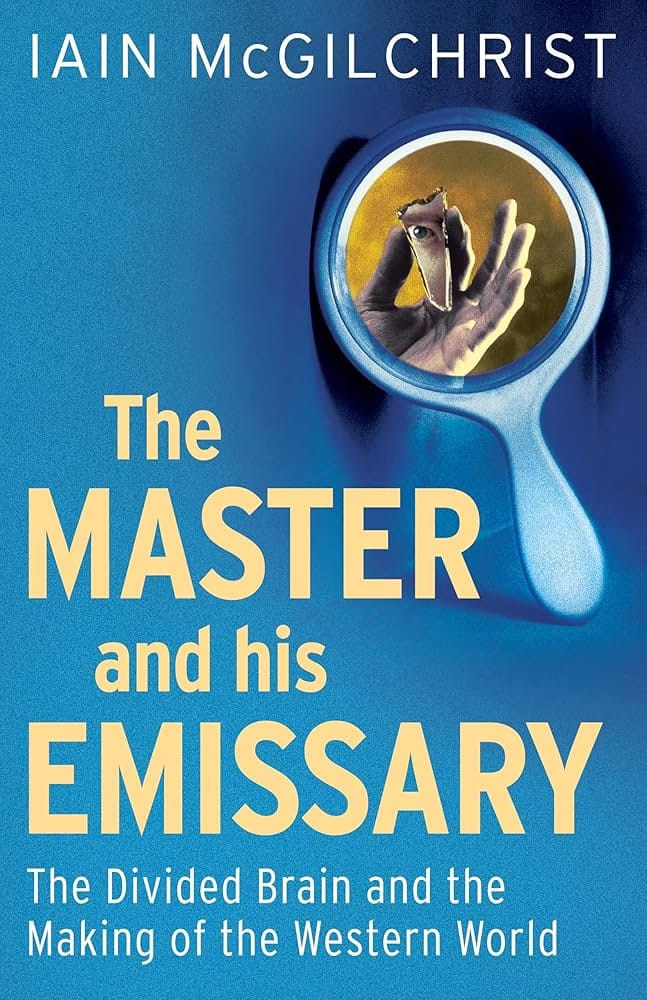
9. The Master and His Emissary — Iain McGilchrist
What it gives you: a lens for understanding modern imbalance.
This is not a book you casually quote. It’s a book you carry.
McGilchrist explores the divided brain — left and right — not just as neuroscience, but as a metaphor for civilization itself. One side analyzes, categorizes, and controls. The other sees context, meaning, and wholeness.
It’s slow reading. Deep reading.
But once it clicks, the modern world starts to look different — sharper, faster, and somehow thinner than it should be.
👉 Buy on Amazon: https://amzn.to/48WQE1N
10. The Denial of Death — Ernest Becker
What it gives you: clarity about what actually drives us.
If there’s one book that quietly explains why humans chase success, legacy, and meaning so desperately, this is it.
Becker argues that much of human behavior is shaped by our fear of death — a fear we rarely acknowledge but constantly act out.
Reading this isn’t depressing. It’s clarifying.
And when someone at 1 a.m. starts wondering aloud about the meaning of life, you won’t reach for an answer. You’ll reach for a question worth sitting with.

👉 Buy on Amazon: https://amzn.to/3LiyVJ4
One Last Thought
You don’t need to finish all of these.
You don’t need to quote them.
You don’t need to pretend you understand every sentence.
What matters is that you let them stretch you. Make you curious. Make you a better listener.
Because the most interesting person in the room isn’t the one who knows the most.
It’s the one who makes others feel like their thoughts are safe, their stories welcome, and their questions worth asking out loud.
Eventually the music gets quieter. Someone says something honest.
That’s the moment these books prepare you for.