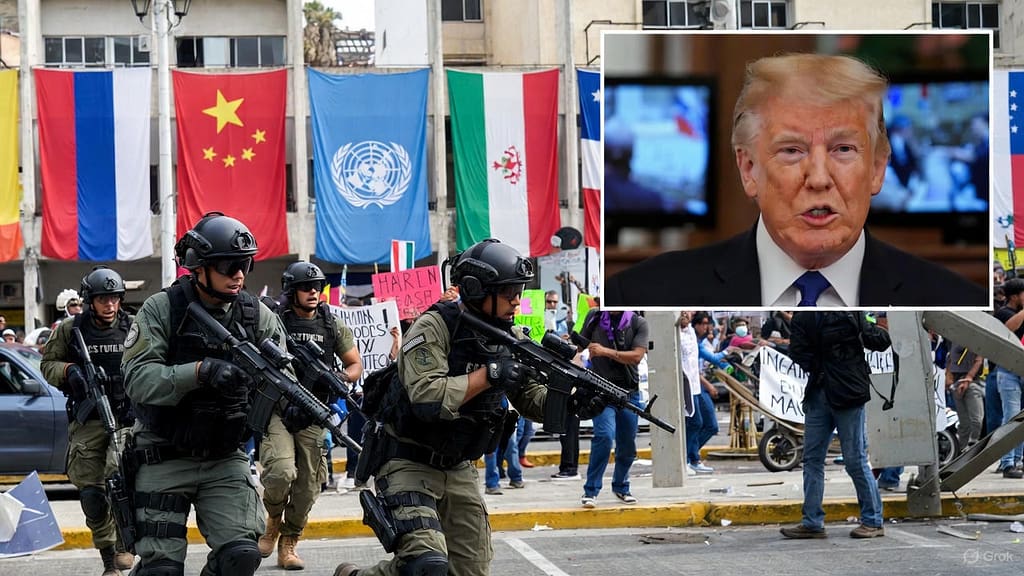

When American special forces stormed Caracas on January 3, the world did not just watch a regime change—it witnessed the death certificate of the post-1945 international order. The geopolitical world order, once anchored by the United Nations and the principle of state sovereignty, has entered a period of terminal decline. Following the successful U.S. military raid that captured Nicolás Maduro on January 3, 2026, President Trump has signaled a new era of global “law enforcement” that critics call the “Don-roe Doctrine.” This doctrine—a play on the 1823 Monroe Doctrine—asserts that American law and security interests no longer stop at the U.S. border. As the administration sets its sights on Greenland, Colombia, and the “shadow fleets” of Russia, the world is asking: Is this the prelude to World War III, or the birth of a global American jurisdiction?
The Venezuela Precedent: War as “Police Action”
The raid on Caracas was not framed as a war, but as the execution of a federal arrest warrant. By treating a foreign head of state as a common “narco-terrorist,” the Trump administration has created a legal loophole that bypasses Congress and the UN alike. The operation, monitored by Trump from Mar-a-Lago, involved Delta Force operators who swiftly transferred Maduro to New York for trial.
This sets a precedent where any leader indicted by a U.S. court—whether in Iran or Syria—becomes a legitimate target for “arrest” by the U.S. military. The administration argues that “targeted operations” do not require a declaration of war, effectively redefining military intervention as law enforcement.
Emboldened by Venezuela’s fall, the White House has issued warnings to Colombia regarding drug production, with Trump calling President Gustavo Petro a “sick man making cocaine.” Cuba has been identified as “ready to fall” without Venezuelan oil subsidies, signaling that Havana’s fate is now tied to Washington’s regional designs. The message is clear: sovereignty in the Western Hemisphere is now conditional on cooperation with U.S. regional goals.
High-Stakes Brinkmanship: The Marinera Seizure
On January 7, 2026, the seizure of the Russian-flagged tanker Marinera brought the U.S. into direct friction with Moscow. The vessel, part of a “shadow fleet” evading sanctions on Venezuelan oil, was boarded by U.S. forces in the North Atlantic.
Russia considers the boarding “21st-century piracy” and reportedly deployed submarines to the vicinity during the seizure. The risk of a military “accident” triggering a broader conflict is at its highest since the Cold War. Unlike the proxy wars of the past, the world is now seeing direct military-on-military confrontations over trade routes and sanctioned goods—the kind of friction that has historically escalated beyond anyone’s control.
The Collapse of the “League of Nations”
The UN has proven as powerless in 2026 as the League of Nations was in the 1930s. Emergency Security Council sessions produced condemnations from allies like France and joint protests from Brazil, Mexico, and Colombia, but no meaningful action. Russia and China demanded Maduro’s release; the U.S. simply ignored them.
As the 2026 BRICS President, India finds itself navigating a world where “might makes right” has replaced multilateral consensus. New Delhi’s response has been pragmatic: mending fences with China, accelerating BRICS currency alternatives, and building insurance against what it increasingly views as “American Jurisprudence”—the unilateral imposition of U.S. legal frameworks on sovereign nations. When Washington threatens up to 500% tariffs on Russian energy buyers through the Sanctioning Russia Act of 2025, India sees not neutral sanctions enforcement but economic blackmail dressed in legal language.
Europe’s trust deficit has reached breaking point. The threat to Greenland has done the unthinkable: it has turned NATO allies into skeptics. Danish Prime Minister Mette Frederiksen warned that any attack on Greenland—Danish territory and part of NATO—would “end the alliance,” with France rallying in solidarity. When your closest allies publicly question your intentions, the coalition is already fracturing.
The Dictator Debate: Domestic and Global
At home, the “Don-roe Doctrine” is mirrored by a move toward a “Unitary Executive.” Supported by a loyal base and a conservative judiciary, Trump has demonstrated that executive authority can bypass Congress for military action. The logical extension of this reasoning is already being floated by some MAGA supporters: if the President can bypass Congress for war, he can bypass “outdated” rules for domestic governance—including the 22nd Amendment’s term limits.
Historians note the parallels between 2026 and the late 1930s: the breakdown of treaties, the rise of nationalist “strongmen,” and the use of “security necessity” to justify territorial expansion. These are not frivolous comparisons. The pattern of institutions crumbling while power concentrates in a single executive is well documented in the historical record, and the current trajectory fits that pattern uncomfortably well.
Can America Fight the World?
History suggests that no power can maintain a “global jurisdiction” forever without massive backlash. As the U.S. moves to bring the world under its legal umbrella, the Russia-China-Iran axis is tightening its grip, and even traditional allies like India and Europe are looking for the exit.
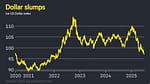
The “success” in Venezuela may have provided a blueprint for intervention, but it has also provided the world with a reason to unite against a new kind of global hegemon. Whether Trump’s transactional approach yields short-term gains or accelerates the fragmentation of American-led order remains the defining question of this decade. Middle powers are already answering: they are building parallel institutions, diversifying away from dollar dependence, and treating American security guarantees as unreliable. But one thing is certain: the world after Venezuela will not be the world before it.