When the initial wave of anger over the NEET-UG paper leaks swept across the country, it possessed the one quality that makes a genuine citizen movement formidable: moral clarity. Middle-class families across political spectrums were united in their frustration. They demanded institutional accountability, systemic overhauls, and absolute fairness for their children. It was a clean civic grievance seeking an effective policy solution.
What followed, however, was a familiar script in Indian politics. A genuine student outcry was rapidly co-opted, rebranded, and redirected into a high-decibel political campaign aimed at regime critique.
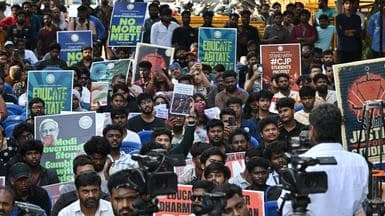
This transformation relies on an enduring delusion among Delhi’s activist enclaves: the belief that mobilizing a few thousand protestors in the national capital, backed by aggressive social media amplification, can trigger a domino effect across a country of 1.4 billion people. It is a model borrowed from smaller, centralized nations where controlling the main square in the capital can bring down a government.
In India, that formula consistently runs into a wall.
India’s sheer geographical scale, federal structure, and cultural diversity act as a natural circuit breaker against street-led revolutions. What dominates headlines inside the Delhi ring road does not automatically dictate the public conscience in Cuttack, Coimbatore, or Guwahati. The moment a legitimate issue is hijacked by professional agitators with ideological agendas, everyday citizens outside the capital recognize the shift.
When a protest stops focusing on solutions—such as administrative reforms, transparent testing protocols, and legal safeguards—and instead morphs into demands for political resignations and systemic disruption, middle-class parents disengage. They realize their children’s futures are being used as leverage in a broader political strategy.
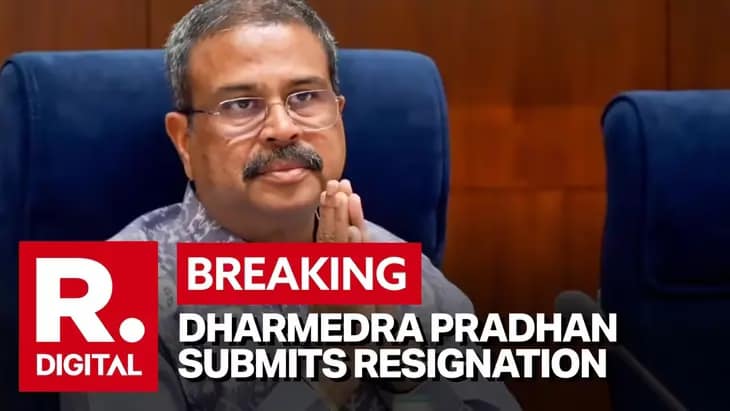
The ultimate tragedy of this cycle is not that the political architects fail to achieve their goals. The true tragedy is that the real victims—the millions of hard-working aspirants who deserved an uncompromised platform for reform—see their genuine pain weaponized and ultimately exhausted by political theater.
India’s public will always support a fair fight for justice. But as history continues to prove, it will firmly reject any movement that reduces a student’s aspiration to mere collateral damage in a battle for political optics.